Solar Panel Maintenance: Tips for Long-Term Efficiency
Proper solar panel maintenance is crucial to ensure the longevity and efficiency of your solar energy system. Regular solar efficiency tips and maintaining the panels can significantly enhance power output and reduce downtime. In this guide, we provide key maintenance strategies that will help you get the most out of your investment.
1. Regular Cleaning
Dust, dirt, and debris can accumulate on solar panels, reducing their efficiency. It is essential to clean them periodically to maintain optimal performance. Use a soft brush or a blower to remove loose dirt, and rinse with water to clean the panels. Avoid using abrasive materials that can damage the solar cells.
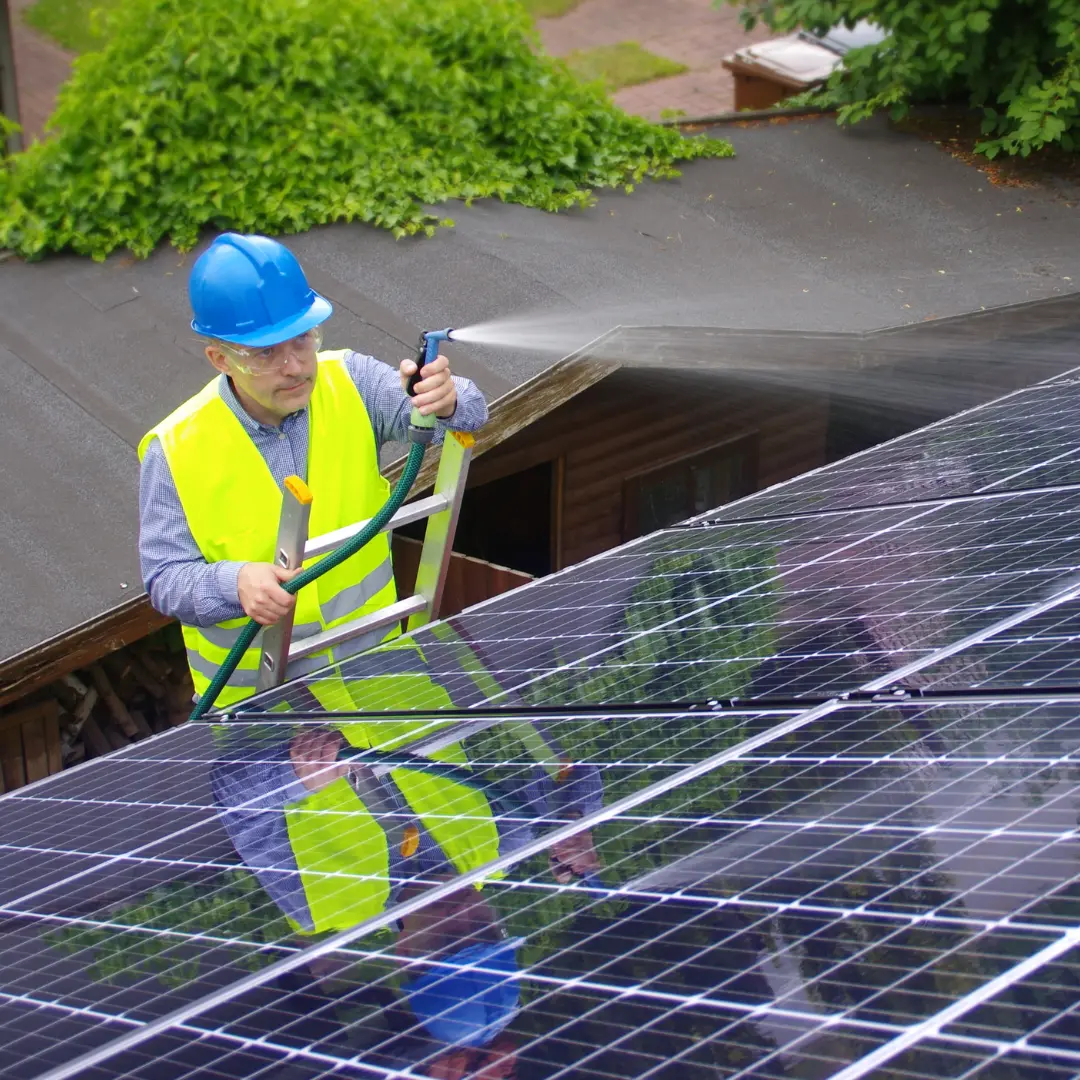
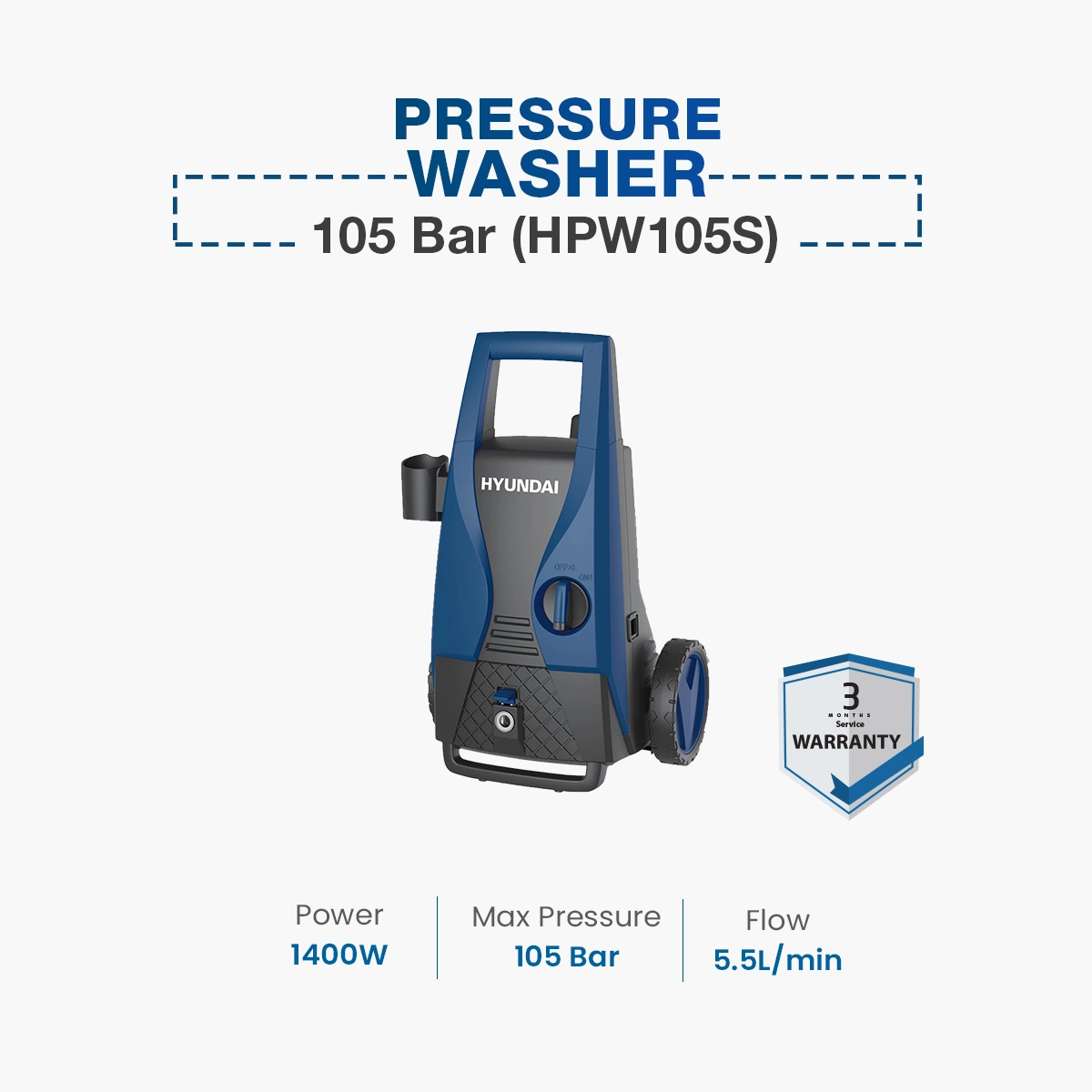
You can buy two products to help you clean your solar panels properly.
- Solar Panel Brush. Just make sure it has soft bristles

- Water Pressure Pump. Buy it online or from a store nearby


2. Inspect for Damage
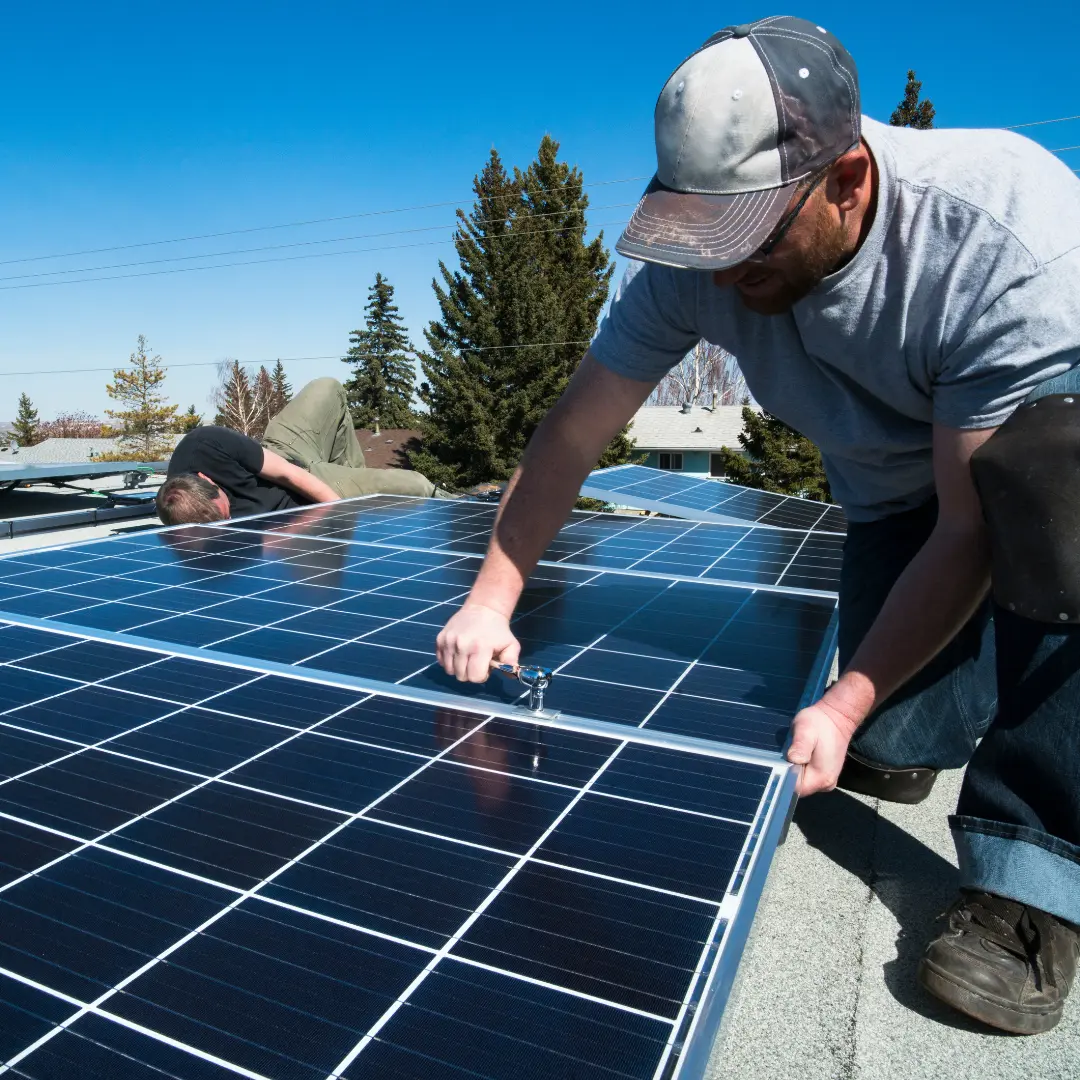
Frequent inspections are part of effective solar panel maintenance. Look for cracks, chips, and other physical damage. Checking the mounting hardware and electrical components is also essential to ensure everything is secure and functioning properly.
3. Monitor Performance
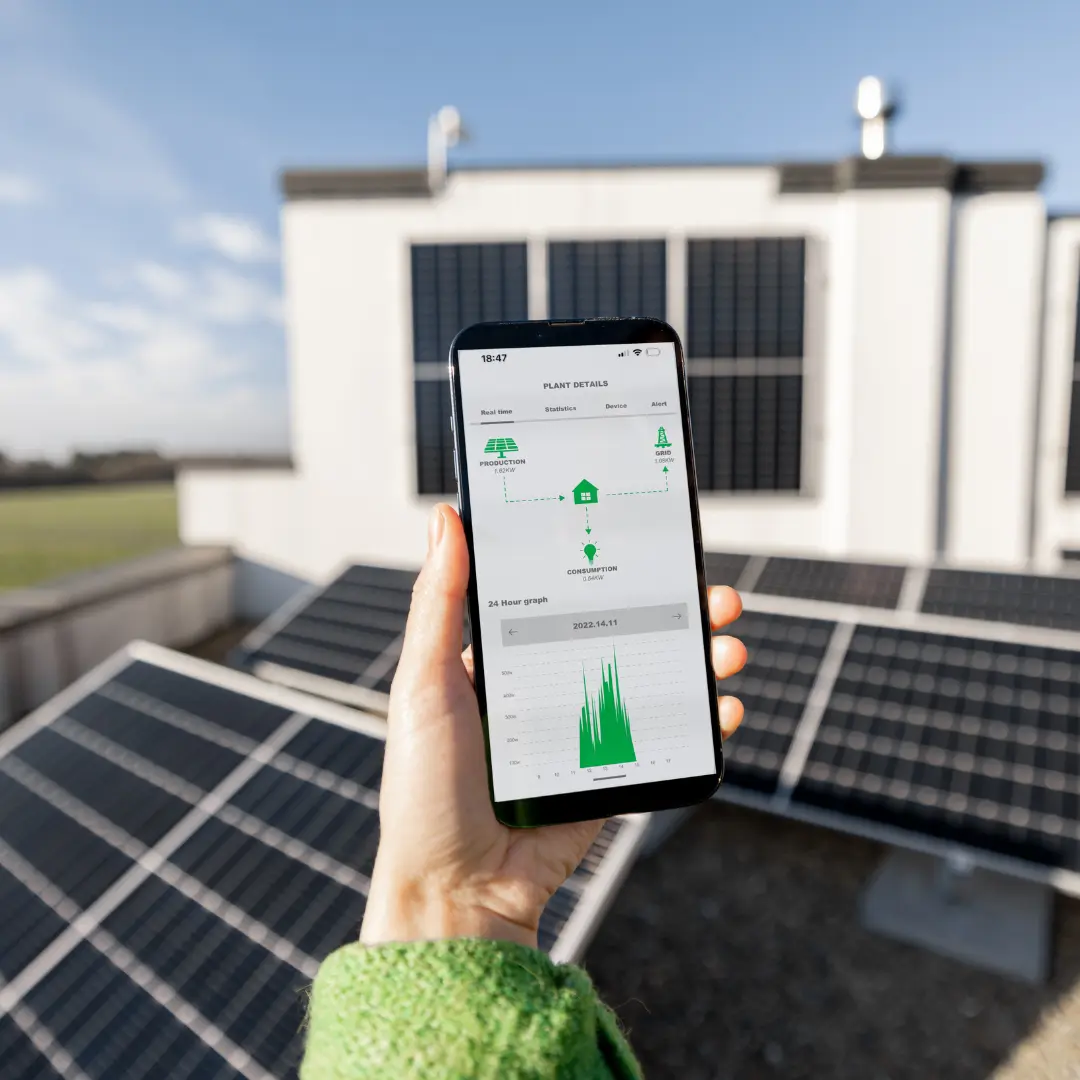
Using a solar monitoring system helps you keep track of your panels’ performance. It alerts you to any potential issues that may need attention. Monitoring systems can detect dips in energy production, which may indicate a need for maintenance or repairs.
4. Trim Surrounding Vegetation
Trees and plants can cast shadows on your solar panels, reducing their efficiency. Regularly trimming the surrounding vegetation ensures your panels receive maximum sunlight. This simple step is a crucial solar efficiency tip.
5. Inverter Maintenance
The inverter is a vital component of your solar system, converting DC electricity generated by the panels into AC power for your home. Regular checks and occasional professional servicing of the inverter ensure it functions optimally. Keep an eye on the inverter’s display for any error codes or performance issues.

6. Check Electrical Components
Inspect the electrical components and wiring connections periodically. Loose or damaged wires can cause system inefficiencies or pose safety risks. Ensure all connections are secure and free from corrosion.
7. Seasonal Adjustments
Adjusting the tilt angle of your solar panels can maximize exposure to sunlight throughout the year. During summer, a smaller tilt angle can capture more sunlight, while a steeper angle is better during winter months.
8. Record Keeping
Maintaining a log of all maintenance activities, inspections, and repairs helps track the performance of your solar system. This record can be useful for identifying recurring issues and scheduling regular maintenance tasks.
9. Professional Inspections
While basic maintenance can be performed by the homeowner, scheduling professional inspections annually ensures any technical issues are identified and addressed promptly. Professionals have the tools and expertise to carry out comprehensive checks.
10. Stay Informed
Advancements in solar technology are continually being made. Staying informed about the latest solar panel maintenance techniques and technologies will help you keep your system running efficiently. Subscribing to industry newsletters and joining solar energy forums are good ways to stay updated.